EMBODIMENT
Bring insight into the body.
Attention, posture, nervous-system awareness, movement, and the capacity to stay present under pressure.
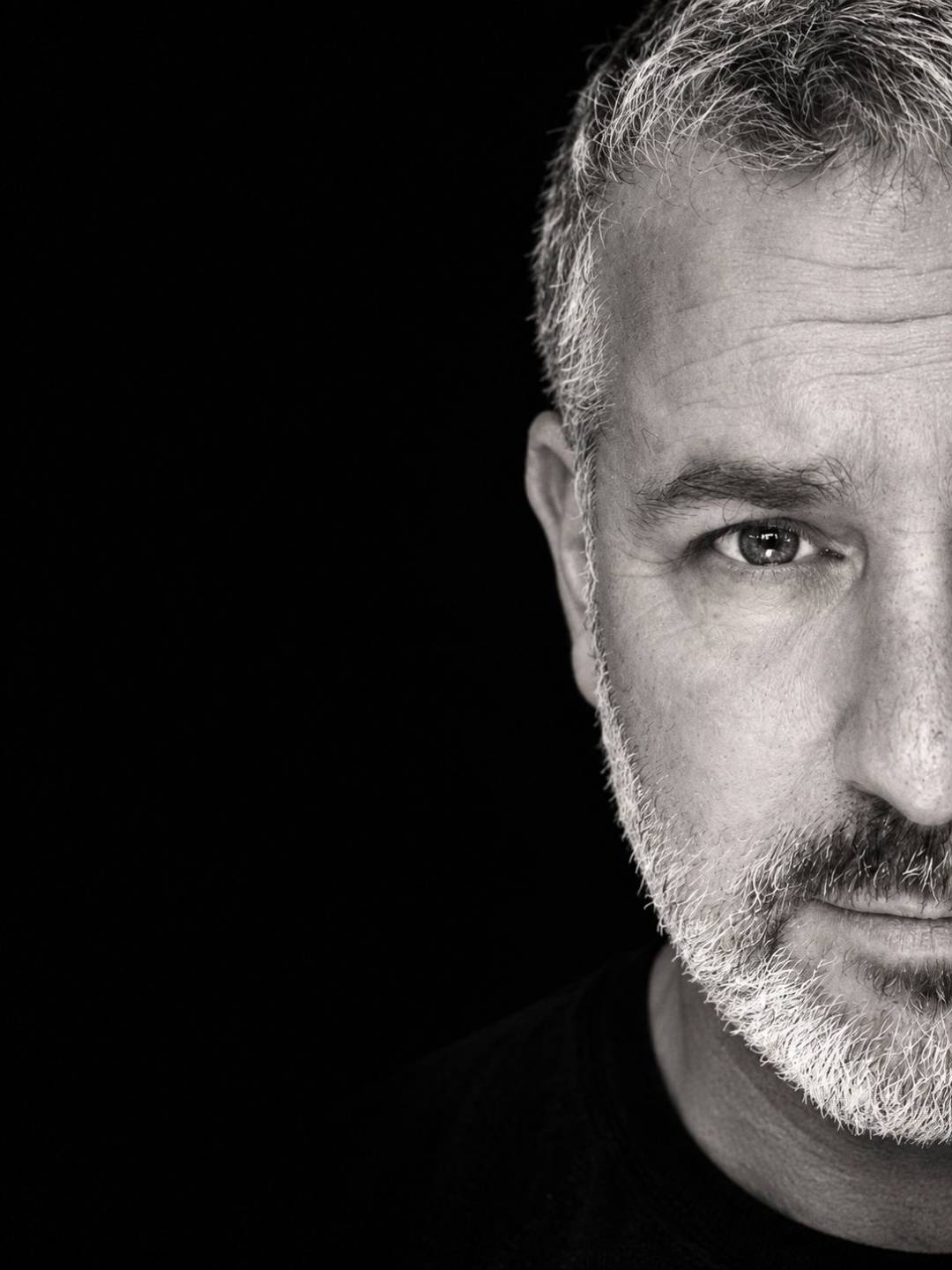
ABOUT MILES KESSLER
I teach meditation, Aikido, embodiment, and developmental practice because they keep returning me to the same essential question:
How do we become more awake — and live that awakening in the middle of life?
THE THREAD THROUGH THE WORK
Meditation, Aikido, shadow work, relational practice, conflict transformation, and Integral development may look like different fields.
For me, they are different doorways into the same territory: becoming more present, more embodied, more aware of the patterns that shape us, and more capable of responding to life rather than simply reacting to it.
The work of the Integral Dojo has grown out of decades of practice in those disciplines — not as separate techniques, but as mutually informing paths.
See experience more clearly through contemplative practice.
Develop the psychological and relational capacities needed to live what you see.
Bring awareness into relationship, conflict, leadership, and ordinary life.
Let practice move from insight into posture, action, choice, and relationship.
MEDITATION
My meditation practice is rooted in the Burmese Mahasi Vipassana tradition.
I trained under the guidance of Sayadaws U Pandita and Vivekananda, spending a total of three years in intensive silent meditation retreat.
Over more than 25,000 hours of formal practice, meditation has been both a discipline of insight and an ongoing inquiry into how awakening becomes integrated into ordinary human life.
My teaching ranges from foundational mindfulness to advanced insight practice, including the Progress of Insight, difficult stages of meditation, Buddhist psychology, and the integration of contemplative realization.
Explore MeditationAIKIDO
Aikido has been one of the deepest formative practices of my life.
I spent eight years training full time in Iwama, Japan, including one year as uchi-deshi under Morihiro Saito Sensei.
That training shaped how I understand discipline, attention, relationship, conflict, center, and the difference between an idea that sounds true and something the body actually knows.
I hold the rank of 6th dan, Aikikai Shihan, and Aikido remains the embodied root beneath much of my teaching — even when there is no martial technique involved.
THE EMBODIED QUESTION
What happens when awareness is no longer only something you understand, but something you can stand in?
WHERE IT ALL MEETS
Meditation can reveal something profound. But the real test often comes later: in conflict, intimacy, leadership, fear, uncertainty, and the places where our familiar strategies stop working.
EMBODIMENT
Attention, posture, nervous-system awareness, movement, and the capacity to stay present under pressure.
SHADOW
Work with disowned patterns, projections, emotional triggers, and the parts of ourselves that spiritual insight does not automatically resolve.
RELATIONSHIP & CONFLICT
Learn to meet tension, disagreement, and relational complexity without collapsing into habitual reaction.
DEVELOPMENT
Integral and developmental frameworks help illuminate the ways consciousness grows, differentiates, and becomes more inclusive over time.
TEACHING PHILOSOPHY
I value good maps because they can orient us.
Buddhist psychology, the Progress of Insight, developmental theory, "Shu Ha Ri" - the 3 Stages of Mastery, shadow frameworks, and Integral perspectives can all help us recognize important territory.
But no map replaces direct experience.
The real question is whether a teaching helps you become more present, more discerning, more embodied, and more capable of meeting the life that is actually in front of you.
The point is not to accumulate frameworks. The point is to practice deeply enough that something becomes lived.
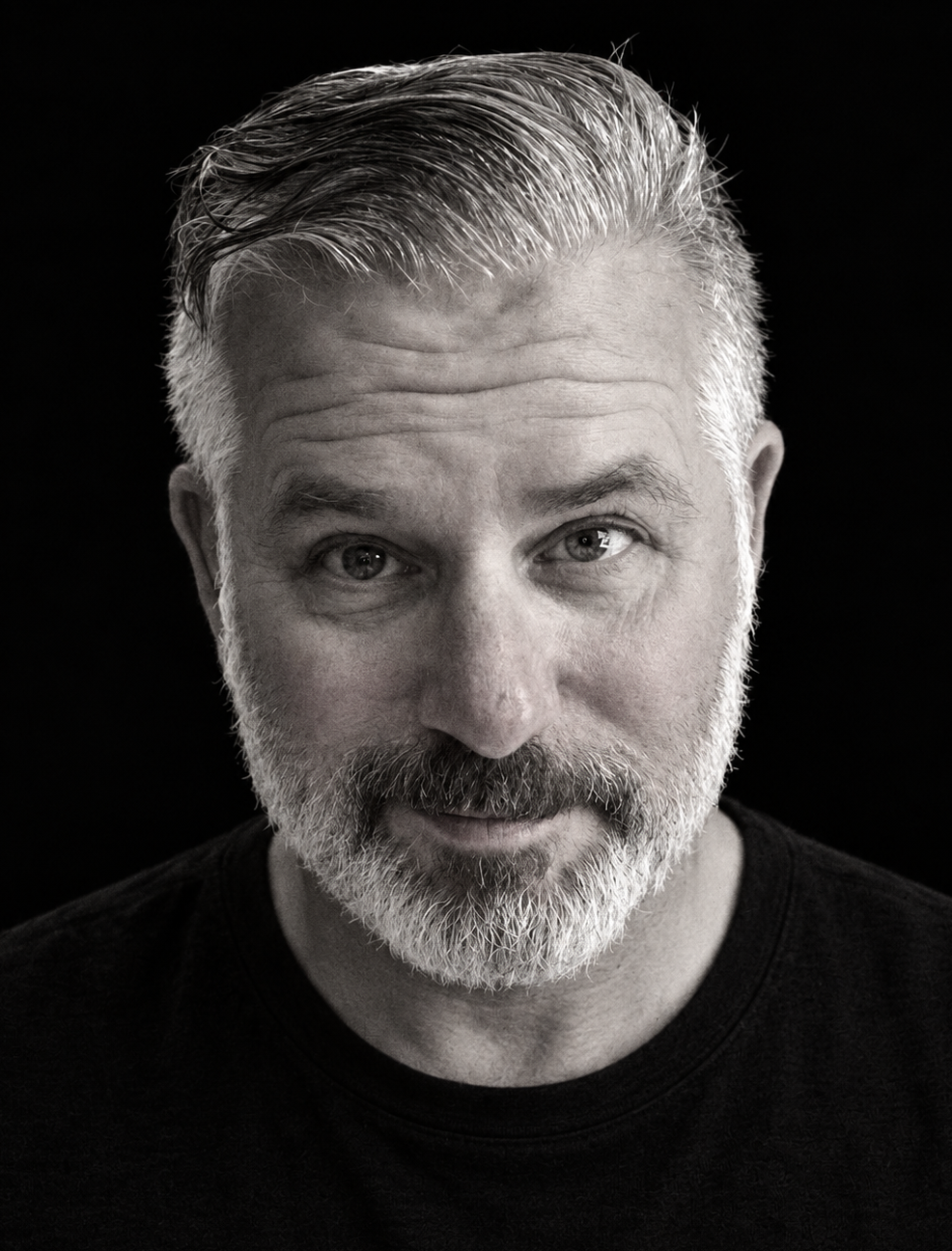
THE INTEGRAL DOJO
The Integral Dojo brings together the strands of my work: meditation, embodiment, Aikido, relational practice, developmental inquiry, shadow work, conflict transformation, and community.
Some people enter through meditation. Others through coaching, Aikido, organizational work, or a specific training.
You do not need to understand the whole system before you begin. Start with the doorway that feels alive for you now.
Start HereGO DEEP
If something here resonates, the Programs page is the clearest place to see the different ways you can practice, study, or work with me.
Explore ProgramsSee you in the deep end.

Get started today before this once in a lifetime opportunity expires.